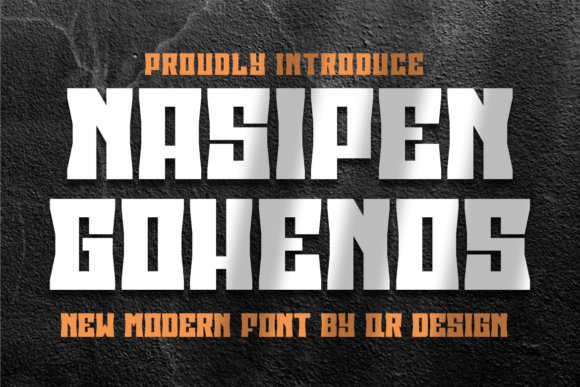
Figuratively: Strategic Typography for Distinctive Brand Identity
In the crowded landscape of digital and print media, typography is often the silent ambassador of your brand. It speaks before a single word is read, setting the tone, establishing credibility, and guiding the viewer’s emotional response. Figuratively emerges in this context not merely as a typeface, but as a strategic design asset. Classified as a fancy display font, it offers a distinct visual voice that can elevate logos, headlines, and creative projects from functional to memorable. However, the true value of any design tool lies not in its aesthetic appeal alone, but in how intentionally it is applied to support broader business and creative goals.
For entrepreneurs, marketers, and creative professionals, selecting a font like Figuratively requires more than a superficial appreciation of its curves and strokes. It demands an understanding of where it fits within a cohesive brand identity, how it influences customer perception, and when its decorative nature serves the message rather than distracting from it. This article explores the strategic utility of Figuratively, offering practical guidance on its application across various industries and mediums.
Understanding the Visual Language of Figuratively
Figuratively is designed with a high degree of stylistic flair. As a display font, it is engineered to capture attention at larger sizes. Its intricate details and unique character shapes make it unsuitable for body text or long-form reading, but exceptionally powerful for short, impactful statements. This distinction is critical for decision-makers. Using a display font incorrectly can hinder readability and dilute brand authority. Conversely, using it with precision can create a strong visual hook that anchors a design.
The font’s "fancy" classification suggests elegance, creativity, and a departure from the mundane. It carries connotations of sophistication and artistic intent. When integrated into a logo or logotype, Figuratively can signal that a brand values craftsmanship and individuality. This is particularly relevant for businesses in the apparel industry, where visual distinctiveness directly correlates with perceived value and brand loyalty. A t-shirt featuring a well-placed Figuratively headline does not just convey information; it becomes a wearable piece of art, enhancing the consumer’s connection to the brand.
Strategic Applications Across Industries
The versatility of Figuratively allows it to serve diverse sectors, provided its use is aligned with the project’s objectives. Below are key areas where this typeface can drive meaningful results.
Brand Identity and Corporate Positioning
For startups and established companies alike, corporate identity is about consistency and recognition. Figuratively can serve as the cornerstone of a brand’s visual system, particularly for companies aiming to position themselves as premium, creative, or unconventional. When used in a brand identity guide, it should be paired with simpler, more neutral sans-serif or serif fonts for supporting text. This contrast ensures that the decorative nature of Figuratively remains a highlight rather than becoming visual noise.
Consider a boutique consultancy or a creative agency. Their primary product is expertise and innovation. Using Figuratively in their headline typography on proposals, business cards, and website headers can subtly communicate creativity and attention to detail. It suggests that the firm does not settle for generic solutions. However, this strategy only works if the rest of the brand experience delivers on that promise. The font sets an expectation; the service must meet it.
Entertainment and Media Production
In the realms of music, movie, game, and comic production, atmosphere is everything. Figuratively’s stylized forms can evoke specific moods—whether it’s the nostalgia of a vintage poster, the drama of a film title, or the whimsy of a cartoon. For game developers, using this font in title screens or promotional posters can help establish the game’s genre and tone instantly. A fantasy role-playing game might use it to suggest ancient lore, while an indie puzzle game might leverage its playful aspects to invite curiosity.
Similarly, in magazine, book, and comic design, chapter headings and cover titles benefit from the visual weight of Figuratively. It breaks the monotony of standard text, creating focal points that guide the reader’s eye. For self-published authors and independent publishers, investing in a distinctive typeface like this can significantly enhance the professional appearance of their work, making it more competitive in a saturated market.
Digital Content and Social Media Engagement
The digital space, including YouTube, Instagram, and website design, thrives on immediate visual impact. Thumbnails, story highlights, and banner images compete for seconds of attention. Figuratively can be a powerful tool in this arena. When used in YouTube thumbnails, it can make titles stand out against busy backgrounds, increasing click-through rates. On Instagram, quotes or promotional graphics featuring Figuratively can stop users from scrolling, encouraging engagement.
However, digital application requires technical consideration. Ensure that the font renders clearly on various screen sizes and resolutions. Overly intricate details may get lost on mobile devices. Testing is essential. Use Figuratively sparingly in digital contexts—reserve it for key messages, calls to action, or brand markers. Overuse can lead to visual fatigue, reducing its effectiveness over time.
Decision-Making Framework for Typeface Selection
Choosing Figuratively should be a deliberate act, not an arbitrary aesthetic preference. Before integrating it into your next project, consider the following strategic questions:
- What is the primary goal? Is the objective to inform, entertain, persuade, or brand? Figuratively excels in branding and entertainment but may hinder pure information delivery if misused.
- Who is the audience? Does your target demographic respond well to decorative, artistic styles? A corporate financial report might require a more conservative approach, whereas a fashion lookbook invites experimentation.
- What is the context? Will the text be viewed from a distance (poster) or up close (business card)? Display fonts like Figuratively perform best when given space to breathe.
- How does it align with existing assets? Does it complement your current color palette, imagery, and other typographic choices? Consistency builds trust.
By answering these questions, you move from random selection to strategic deployment. This approach minimizes the risk of rework and ensures that every design element contributes to your overall objectives.
Risks and Considerations
While Figuratively offers significant creative potential, it is not without risks. The most common pitfall is overuse. Because it is visually striking, there is a temptation to use it everywhere. This dilutes its impact and can make designs feel cluttered and unprofessional. Always remember that white space and simplicity are powerful design tools. Let Figuratively shine by surrounding it with restraint.
Another risk is legibility. Decorative fonts can be difficult to read, especially for individuals with visual impairments or when viewed on low-resolution screens. Never use Figuratively for critical information such as legal disclaimers, contact details, or lengthy instructions. Accessibility should always be a priority in design decisions. Pair it with highly readable body fonts to ensure inclusivity.
Furthermore, trends in typography shift. While Figuratively has a timeless quality in its elegance, relying too heavily on a specific stylistic trend can date your brand quickly. To mitigate this, use it as an accent rather than the foundation of your entire visual system. This allows you to update secondary elements without losing core brand recognition.
Implementing Figuratively for Long-Term Value
To maximize the return on your design investments, integrate Figuratively into a comprehensive brand strategy. Document its usage in a style guide. Specify clear rules for spacing, sizing, and color combinations. Train your team on these guidelines to ensure consistency across all touchpoints, from website banners to apparel tags.
Regularly review the performance of your designs. Are customers responding positively to the new branding? Is engagement increasing on social media posts featuring Figuratively? Use data to refine your approach. Design is not static; it is an iterative process that should evolve based on feedback and results.
Ultimately, Figuratively is more than a font. It is a tool for communication, differentiation, and expression. When used with intention and strategic foresight, it can enhance your brand’s narrative, engage your audience, and support your long-term business goals. Whether you are designing a movie poster, launching a new clothing line, or refreshing your corporate identity, let the choice of typography reflect the depth and clarity of your vision.
By approaching design with the mindset of a strategist, you transform aesthetic choices into competitive advantages. Figuratively offers the visual distinctiveness needed to stand out, but it is your strategic application that will determine its success. Use it wisely, use it sparingly, and use it to tell your story with clarity and impact.